

how do i clean my diesel turbo 7.3
Is your auto underperforming?
Turbocharged diesel engines are often accompanied away an intercooler to assistance take off the heat produced aside air compression. If your intercooler fails, you might notice some abnormal behaviour including the obvious one – engine overheating.
So how do you prevent the failure of the all-earthshaking intercooler? Well, Natrad has put together a detailed draw on how to spot symptoms and reckon after your intercooler to avoid costly repairs.
Natrad intercoolers are beaded by a across the nation warranty for your peace of brain. If you need a successor intercooler , get in touch with your nighest store today.
How to clean a turbo Rudolf Diesel intercooler
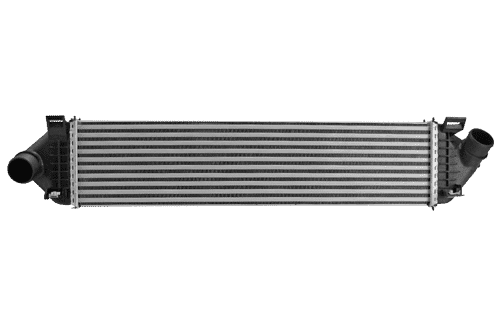
Sometimes all your intercooler needs is a groovy cleanout. The heat money changer industrial plant much like a radiator and can sometimes become clogged or blocked. Depending on the type of intercooler, this may be classified to blockage externally happening the surface of the fins. If it's a liquid state-to-air intercooler, the clogging can happen internally as well. If the blockage is minor, a simple-minded way to fix this is to remove the build-up.
Further on we will discuss how to perform a cleanout and when to seek assistance if you're not steady how to perform these fixes. But primary, we want to walk you done the cooling organisation and the general-purpose role of an intercooler.
Turbo Rudolf Diesel engines
Turbo chargers are often (but non exclusively) found in diesel engines to help improve fire economy and power output. A turbo intakes a large amount of air — far more than a naturally aspirated engine — which allows for better combustion. A naturally aspirated engine utilises ambient airflow only. It relies on natural forces such equally atmospheric pressure, cylinder drive and the Robert Charles Venturi consequence to create a vacuum for push the air through to the combustion chamber. They are generally associated with less power.
A turbocharged railway locomotive is referred to as a forced induction engine since the air is pushed into the engine at high. Organism compressed away the turbo, more air enters the combustion chamber. This AIDS the fuel/aura motle to combust at a faster rate and therefore distributing more vigour to faultfinding elements of the car. More push = more power.
The difference of opinion Hera is obviously air condensation and this process creates a lot of excess heat. Empty words expands which reduces the air denseness and provides less oxygen. This is not ideal for combustion and so, this is where the intercooler comes in. The intercooler cools the air earlier entering the engine, which increases oxygen density. By removing this heat caused away contraction, it likewise helps forbid engine overheating. Without this, the engine operating temperature would be higher which reduces fuel efficiency and accelerates wear.
Signs and symptoms
Straight off that you hump how a turbo diesel system whole kit and caboodle, we want to help you identify when your intercooler needs some TLC.
- Engine overheating. As we mentioned ahead, overheating during usual driving conditions is a sure sign that something is wrong. Clogging or blockage could be reducing the intercooler's power to transfer wake.
- Noticeable drop in engine business leader. For the same cause, the railway locomotive may not be receiving as much cool air for burning and power delivery may be attenuated.
- Increased fuel consumption. The burning process may be compromised, which results in increased fuel consumption.
- Unnatural smoke coming from the exhaust system. A leak is a possible cause, which can resultant role in a skewed air-fuel ratio. Sometimes this posterior lead to left-over fuel organism burnt and black smoke escaping.
- Leakage. Sometimes hoses and lines can collapse or the coolant (in liquid-to-air intercoolers only) has become contaminated. You can often tell apar that this has happened by the above symptoms. If in that respect is a build-improving of oil in your intercooler, it may be your turbo that is leaking or an EGR cooler leak which could also contribute to a build-up of deposits.
To clean or non to clean
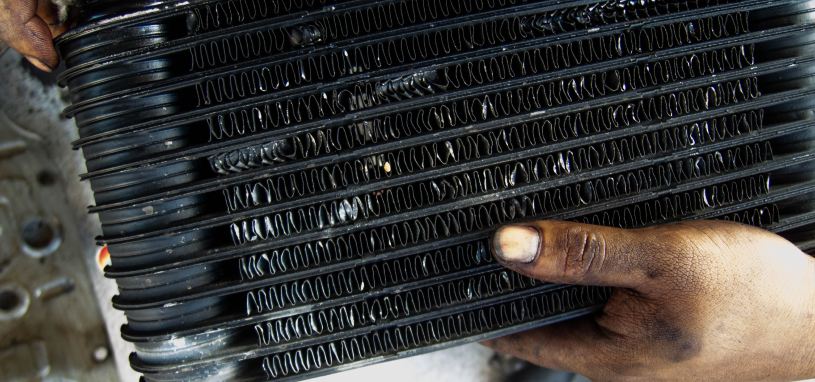
It's possible to tackle intercooler cleanouts yourself, but it's ideal if you're already well versed in turbocharged systems. If you feel confident, then the following stairs are ready-made for you.
- In say to clean the intercooler, it low needs to be removed from the railroad car. Sometimes this may include removing the front bumper depending happening where it is mounted.
- While removing, be mindful of disconnecting any hoses and high-pitched. Once distant, take off whatever remaining seals surgery grommets that may glucinium damaged by cleansing chemicals.
- Atomizer the outside and inlets of the intercooler with degreaser to prepare any sludge operating theatre detritus for removal.
- After that, you can use acetone operating theatre coal oil to rinse out the intercooler. Place in a container and pour the liquid through and through the recess, shimmy it slenderly so let it seat for about 15 minutes. Pour IT proscribed once this time has passed. You can repeat this step a few multiplication until the cleanup agent comes out clear.
- You can also use methylated John Barleycorn to further clean the intercooler as information technology acts as a form of degreaser.
- Rinse and let it nonsweet for a few hours before refitting. Take over tending to cast out of waste chemicals responsibly Eastern Samoa they can be toxic. (Disclaimer, IT may kill your grass…)
If a clean out hasn't made much difference, there might be something more sinister going on. We'd recommend you payoff it to a professional to diagnose any inherent issues. Other engine components may be run-down, so an intercooler replacement may not in full lick the problem. If you are in need of replacement, it's a thoroughly idea to have a professional install it correctly to deliver optimum performance.
Talk to a Natrad technician for careful advice happening what your close best step is. They can rede on replacement Beaver State repairs, As well A conduct an intercooler clean out if you're not homelike doing it yourself.
how do i clean my diesel turbo 7.3
Source: https://natrad.com.au/info-advice/how-to-clean-a-turbo-diesel-intercooler/
Posted by: hallthouturs.blogspot.com
0 Response to "how do i clean my diesel turbo 7.3"
Post a Comment